
"Bourbon Santos"
600 article(s) found

Introduction to the Flavor and Taste characteristics of Brazilian Coffee
Brazilian coffee was introduced from French Guiana in 1729. It is true that intensive farming, changing treatment methods and improving the technical content of planting can improve the quality of coffee to some extent, but in any case, the natural conditions of Brazil cannot be compared with those of some regions that produce the world's top coffee. Because although Brazil has better soil conditions and humid climate, it is not high above sea level.

Flavor description of Brazilian Coffee beans introduction to the varieties treated in the manor area
There are many large farms in Brazil, which run endless coffee plantations. They use machines to harvest and dry them. They are so efficient in automation that they regard coffee as a general agricultural material and completely abandon the flavor and flavor. As a result, many select coffee companies simply do not sell Brazilian beans so as not to demean themselves. In the select coffee shop, there is still an occasional Sandoska in Brazil.
How about Brazilian Santos coffee beans? Brazilian Santos coffee tastes moderate acidity and elegant
Professional coffee knowledge exchange More coffee bean information Please pay attention to Coffee Workshop (Weixin Official Accounts cafe_style) Front Street-Brazil Santos Coffee Introduction Brazil Santos Coffee, such as rhythmic, vigorous samba dance and group crazy, earth-shaking carnival, completely integrated into the lively, cheerful Brazilian blood, it with colorful flavor

Brazilian coffee history Brazilian coffee beans characteristics which brand of Brazilian coffee is better
Professional coffee knowledge exchange more coffee bean information please follow the coffee workshop (Wechat official account cafe_style) Brazilian coffee flavor characteristics manor area _ Brazilian boutique coffee Brazilian coffee is likened to the giant and monarch of the coffee world. There are about 3.97 billion coffee trees there, and small farmers now grow 75% of the country's coffee. Brazilian coffee is engaged in

Characteristics of Brazilian Santos Coffee what is the flavor of Brazilian Santos coffee beans
Professional coffee knowledge exchange more coffee bean information please follow the coffee workshop (Wechat official account cafe_style) Brazilian Santos coffee rich taste slowly extended on the tongue, completely swept the entire taste, and lasted for dozens of minutes. 1. Palate: slightly sweet with soft acidity, sweetness has its unique round ripe taste, its unique sweet, sour and bitter taste

A brief introduction to the cultivation of boutique coffee bourbon beans, geographical location, climate and altitude
The bourbon of Bourbon Santos in Brazil comes from the Bourbon Island of the Bourbon Inambek Coffee Tree (BOURBON), which is now LA RUNION, once the thriving place of Arabica Coffee. Arabica Coffee trees produced on this island have been introduced to all parts of the world. Bourbon Santos is their descendant in the preparation of a few drops of sherry in the deep-fried coffee.

Boutique Brazilian coffee bean Brazil santos coffee gr
Although Brazil produces 30 to 35% of the world's coffee annually, ranking first in the world, none of the Brazilian beans can be called the top coffee. The mountains are covered with coffee trees in southern Brazil, but Santos is the only one that can be put on the table; most of the other hastily processed beans are used to make instant coffee and easy-to-open coffee. Growth of Santos coffee

Description of Brazilian Coffee Flavor, characteristics of Grinding degree and introduction of Fine Coffee in producing areas
There are many large farms in Brazil, which run endless coffee plantations. They use machines to harvest and dry them. They are so efficient in automation that they regard coffee as a general agricultural material and completely abandon the flavor and flavor. As a result, many select coffee companies simply do not sell Brazilian beans so as not to demean themselves. In the select coffee shop, there is still an occasional Sandoska in Brazil.
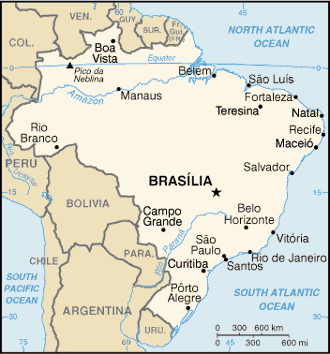
About Brazilian Coffee producing area Brazilian Fine Coffee Raw beans about Brazilian Fine Coffee Association BSCA
Brazilian coffee is classified according to the name of the state of origin and the port of transport. Brazil has 21 states and 17 states produce coffee, but seven of them produce the most, accounting for 98% of the country's total output. The topography of Brazil is mainly divided into two parts, one is the Brazilian plateau above 500 meters above sea level, distributed in the central and southern parts of Brazil, and the other is the plain below 200 meters above sea level.

The "Giant" of Coffee Industry the Historical Story of Brazilian Coffee beans introduces the characteristics of Coffee prices in Brazil
The exchange of professional baristas please follow the coffee workshop (Wechat official account cafe_style) Brazil is vividly likened to the giant and monarch of the coffee world. There are about 3.97 billion coffee trees there, and small farmers now grow 75% of the country's coffee. The number of coffee producers in Brazil is twice or even five times that of Colombia, which is the largest in the world.

A brief introduction to the origin, development, history and culture of high-quality coffee bourbon beans
In the case of the Queen's Manor, the environmental protection is quite thorough. Because of the high terrain and non-plain terrain, it is impossible to use machines to harvest, and the fruits can be harvested completely by hand. And plant low-yield and high-quality bourbon species, as the essence of high-quality Brazilian coffee on behalf of the manor! This batch of Queen's Manor (Fazenda Rainha) belongs to the Carvalho Dias family, and the estate has been for Pakistan for more than 116 years.

There are several brands of Brazilian coffee. Brazilian Santos Santos Coffee. Is Brazilian coffee expensive?
Professional coffee knowledge exchange more coffee bean information please follow the coffee workshop (Wechat official account cafe_style) Brazil, is currently the world's largest coffee producer, accounting for about 1/3 of the world's total production. There are 26 states and 1 federal district in the country, and 17 states produce coffee, including Parana, Sao Paulo and Miraguillas.

Sweet and bitter Brazilian sirado coffee beans Flavor Taste Aroma Description Introduction
Brazil has many large farms, operating endless coffee plantations, they use machines to harvest, and use machines to dry, automated efficiency is very high, as if coffee as a general agricultural material, completely abandoned flavor and disregard. As a result, many specialty coffee companies simply do not sell Brazilian beans, lest they demean themselves. Brazil's Santos occasionally appears in select coffee shops

Brazilian Santos coffee accounts for about 30% of the world's total production, which is neutral, slightly bitter and very weak in acidity.
Professional coffee knowledge exchange more coffee bean information please follow the coffee workshop (Wechat official account cafe_style) Brazil Santos Coffee comes from South America Brazil is the world's number one coffee producer, accounting for about 30% of the world's total production. Almost all varieties of Santos coffee are produced in southeastern Brazil and are the best of Brazilian coffee. Raw bean granules range from medium to large, but not
Introduction of Brazilian Santos Coffee Flavor recommended by Brazilian High-end Coffee beans
For more information on coffee beans, please follow the front street of Coffee Workshop (official Wechat account cafe_style)-Santos Coffee, Brazil. The old bourbon coffee is grown on some estates in the Serrado district of MinasGreais state in southeastern Brazil. These estates, such as CapinBranco Manor and Vesta Alegg.
Basic knowledge of coffee beans Brazilian Santos coffee raw beans
Although Brazil produces 30 to 35% of the world's coffee annually, ranking first in the world, none of the Brazilian beans can be called the top coffee. The mountains are covered with coffee trees in southern Brazil, but Santos is the only one that can be put on the table; most of the other hastily processed beans are used to make instant coffee and easy-to-open coffee. Growth of Santos coffee

Brazilian Coffee harvesting and processing capacity-effect of Brazilian Weather on Coffee
Brazilian Coffee harvesting and processing capacity-effect of Weather on Coffee in Brazil the vigorous production period of a coffee tree usually lasts about 15 years, and of course some trees are still fruitful for 20 or 30 years. As soon as the coffee tree loses its ability to bear fruit, it will be cut down on the spot and uprooted so as not to compete for nutrients with other trees that are still strong and can bear fruit. Coffee yield and the species and growing environment of coffee trees

Brazilian Arabica Bourbon Coffee Bean Flavor description, characteristics of varieties and production areas
Brazil Arabica Bourbon Coffee Bean Flavor description the characteristics of coffee varieties in Brazil, because the coffee planting area is too large, the degree of mechanized production is also relatively high, so people often harvest ripe and green fruits together, and there is usually no sorting process, sometimes coffee fruit will be mixed with coffee branches and leaves. Not only that, Brazilian coffee bean picking

Introduction to Brazilian Yellow bourbon Coffee Bean Flavor description taste Grinding scale Variety Manor
Brazilian yellow bourbon coffee bean flavor description, grinding scale variety manor introduces the iron pickup "Typica" iron pickup, the name sounds very majestic, but in fact it is not so strong. It has a weak physique, poor disease resistance, easy to catch rust leaf disease, and produces less fruit. It is one of the oldest native varieties in Ethiopia, and many Arabica are derived from iron pickups! Iron plate top

Talking about Brazil, a big coffee producer in the world
When it comes to Brazil, everyone can always talk about it. Brazilian football is good. Brazilian coffee is a big coffee producer in the world. Its beans are sour and mild in taste, and its beans are often used to mix and make concentrated beans with nutty aroma in slightly acid. it has a long taste. Today, let's talk about Brazil, a coffee producing region. Brazil, known as the coffee kingdom, is the largest in the world.